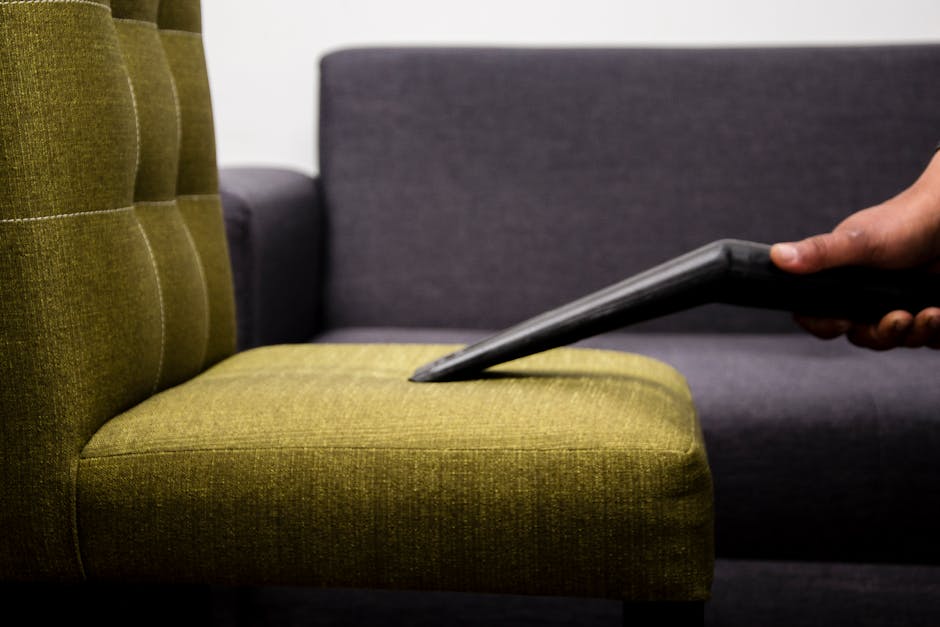
How much does Docklands upholstery cleaning cost?
If you're trying to work out how much does Docklands upholstery cleaning cost, you're probably juggling a few things at once: the type of furniture, the fabric, the amount of wear, and whether you need a quick freshen-up or a proper deep clean. Fair enough. Prices can look a bit vague at first, especially in London, where the same job can vary depending on access, parking, stain treatment, and how many items need doing. This guide breaks the cost down in plain English so you can make sense of quotes, avoid overpaying, and choose the right service for your sofa, chairs, or other upholstered pieces.
You'll also find practical examples, a simple checklist, and a few things people often forget to ask before they book. That last bit matters more than it sounds.
Why price matters for Docklands upholstery cleaning
Price matters because upholstery cleaning is not one of those services where the "cheapest" quote always makes sense. In Docklands, where homes and apartments can range from compact modern flats to larger family spaces, a cleaning job can be simple one minute and surprisingly fiddly the next. Tight access, lift waits, underground parking, and busy building rules can all affect the final cost. So can the furniture itself.
Upholstery is also a material category, not a single product. A cotton sofa, a velvet armchair, and a synthetic dining chair all behave differently once water, heat, and cleaning solution are introduced. If the cleaner has to slow down for a delicate fabric or spend extra time on stubborn marks, the price usually reflects that extra care.
To be fair, this is exactly why a proper quote is more useful than a rough guess from a phone conversation. A good quote should be based on the item type, fabric condition, stain level, and any extras such as deodorising or stain protection. If you want to understand broader quote structure, the service information on pricing and quotes is a sensible place to start.
Practical takeaway: the real cost is usually driven more by fabric, condition, access, and add-ons than by the postcode alone.
How How much does Docklands upholstery cleaning cost Works
There isn't one universal Docklands upholstery cleaning price. Most companies build the cost from a few common variables. Once you understand the structure, quotes become much easier to compare.
1. The item being cleaned
A single dining chair is a different job from a three-seater sofa with matching footstool. More surface area means more labour, more solution, and more time. That part is obvious enough. What people often miss is that awkward shapes, deep cushions, and tufted detailing can also add time, even if the furniture looks modest from across the room.
2. Fabric type and condition
Natural fibres, delicate textiles, and older upholstery usually need a more cautious approach. Synthetic fabrics can often cope with a more straightforward wet cleaning method, but even then the cleaner needs to test the fabric and check for colour bleed or shrinkage risks. If the item is fragile or previously damaged, a careful cleaner may suggest a gentler method rather than forcing a one-size-fits-all process.
3. Stains, odours, and pet issues
General soil removal is one thing; specific stain treatment is another. Tea, red wine, makeup, food spills, and pet accidents can all need targeted treatment. If you're dealing with lingering smells or a pet-related incident, the dedicated pet stain odour removal service may be more appropriate than a standard clean. That kind of extra work is one of the main reasons final prices can differ.
4. Access and logistics
Docklands buildings often involve practical issues that don't show up in a photo. Parking can be limited. Lifts may need booking. Service entrances may be awkward. Sometimes a cleaner has to carry equipment a little further than expected. It's not dramatic, but it adds real time.
5. Add-ons and protective treatments
Some customers want deodorising, fibre protection, or extra stain treatment. Useful? Yes. Free? Usually not. A well-priced quote should separate the core clean from optional extras, so you can decide what actually matters for your furniture. No need to pay for bells and whistles if you only want the basics.
If you want a broader idea of the service itself, the main upholstery cleaning page explains what is typically included in a standard appointment.
Key Benefits and Practical Advantages
People usually think of upholstery cleaning as a cosmetic job, but the benefits go beyond looks. A clean sofa or chair changes the feel of the whole room. You notice it when you sit down and the fabric no longer has that stale, lived-in smell. It just feels fresher.
- Better appearance: lifting dirt and dullness can brighten the room without replacing the furniture.
- Odour reduction: helpful for homes with cooking smells, pets, or long-term use.
- Longer furniture life: removing embedded grit and residue helps preserve fibres.
- Improved hygiene: upholstery can trap dust, skin flakes, and everyday grime.
- Better value than replacement: cleaning is often far cheaper than buying a new sofa or chair set.
For households with children, pets, or frequent visitors, this can be a very practical service rather than a luxury. The same is true in shared homes and rental properties, where furniture has to present well and still feel comfortable. If the wider property needs a reset too, a deep cleaning service can complement upholstery work nicely.
Who This Is For and When It Makes Sense
Upholstery cleaning makes sense for quite a few people in Docklands, and not only when the sofa looks visibly dirty. In fact, some of the best-timed cleans happen before furniture reaches the "oh no, that stain is permanent" stage.
You may want to book if you are:
- moving into a new flat and want the seating refreshed before settling in
- preparing a rental property for inspection or handover
- dealing with everyday wear on a sofa, armchair, or footstool
- trying to remove pet odours or accidental spills
- refreshing office seating or communal soft furnishings
- bringing older furniture back to life after years of regular use
For landlords and tenants, this often overlaps with move deadlines and practical pressure. That's where a wider clean can help, especially if the furniture is part of an end-of-tenancy job or a full property refresh. Related services like end of tenancy cleaning or move out cleaning can be worth considering if you need more than upholstery alone.
Commercial customers have a slightly different decision to make. Waiting rooms, offices, and communal areas often need cleaning that fits around business hours, visitor traffic, and health-and-safety routines. In those settings, commercial cleaning or office cleaning can be more appropriate than a one-off domestic visit.
Step-by-Step Guidance
If you want to estimate Docklands upholstery cleaning cost intelligently, follow a simple process. It saves time and usually leads to a better quote. Honestly, it saves back-and-forth as well.
- Identify each item. Note whether it's a sofa, chair, loveseat, footstool, dining chair, or something less standard.
- Check the fabric label. If you can find the manufacturer's care guidance, keep it handy. Even a photo helps.
- Photograph the condition. Take clear pictures in daylight if possible, showing stains, marks, and general wear.
- List special problems. Mention pet smells, old spills, ink, grease, food marks, or water damage.
- Describe access. Is there a lift? Is parking nearby? Will cleaners need to carry equipment through a concierge area?
- Ask what's included. Make sure the quote covers pre-treatment, extraction or steam cleaning, drying guidance, and any optional protectors.
- Compare more than price. Check what the company says about insurance, fabric testing, and aftercare.
That last step matters. A cheaper quote is not always cheaper if it excludes the very things your furniture needs. If you're comparing providers, pages like insurance and safety and health and safety policy can help you judge the service properly.
Expert Tips for Better Results
In our experience, the best upholstery results usually come from preparation and honesty. Not excitement. Not magic sprays. Just a clear description of the item and a realistic expectation of what can be removed.
- Vacuum first. Loose dust and crumbs can interfere with stain treatment and make the clean less effective.
- Don't scrub stains at home. Scrubbing often pushes the mark deeper or damages the pile.
- Tell the cleaner about every spill. Even if it's old. Especially if it's old.
- Move smaller items beforehand. Clearing clutter makes the clean faster and neater.
- Ask about drying time. This matters if you need to use the furniture the same day.
- Think about the room as a whole. If the upholstery is dirty because the room gets heavy use, consider whether nearby carpets or rugs need attention too.
If the furniture is part of a larger fabric-cleaning job, sofa cleaning, curtain cleaning, or rug cleaning may be worth bundling together. That often makes the visit more efficient. Less disruption. Less waiting around with the kettle on.
One small but important tip: if you have a modern flat with limited ventilation, plan for drying time carefully. A fresh sofa that stays damp too long is not pleasant, and it can affect the room smell for the rest of the day. A little foresight goes a long way.
Common Mistakes to Avoid
People usually don't make upholstery cleaning mistakes because they're careless. More often, they happen because the service seems straightforward and then suddenly isn't. The tricky bit is assuming every cleaner works the same way. They don't.
- Booking without photos. This leads to vague estimates and surprise extras later.
- Assuming all fabrics can be steam cleaned. Some cannot. Some really should not be.
- Ignoring odours. A surface clean may not deal with the smell if the source is deeper in the filling.
- Choosing the cheapest quote blindly. Cheap can mean limited prep, shorter treatment time, or fewer guarantees.
- Forgetting access issues. Docklands access can affect timing more than you think.
- Using household products beforehand. This can set stains or make professional treatment harder.
There's also the "it doesn't look too bad" mistake. To be fair, that one is common. Upholstery often holds grime quietly until the difference after cleaning is suddenly obvious. You sit down, and the fabric feels softer, cleaner, and less tired. You notice it straight away.
Tools, Resources and Recommendations
You don't need special equipment to get a good upholstery cleaning quote, but a few simple things make the process smoother and more accurate.
- Good phone photos: take wide shots and close-ups of stains.
- Fabric care labels: useful for identifying cleaning limitations.
- Room measurements: especially helpful if the furniture is large or awkward.
- Access notes: lift, stairs, parking, concierge entry, or restricted loading.
- Cleaning history: tell the cleaner when the item was last professionally cleaned.
For readers comparing service quality and payment confidence, it can also help to review practical pages such as payment and security, terms and conditions, and about us. Those pages are not glamorous, granted, but they often tell you a lot about how a company operates.
If your furniture is part of a move, it can also make sense to look at move in cleaning or one off cleaning. That's especially useful when you want the place to feel properly reset rather than simply "done".
Law, Compliance, Standards and Best Practice
Upholstery cleaning is not heavily regulated in the same way as some specialist trades, but there are still important UK best-practice expectations. A professional cleaner should know how to work safely with electrical equipment, cleaning chemicals, and delicate textiles. They should also be able to explain what their process involves without sounding vague or evasive.
For the customer, the main things to look for are straightforward:
- Insurance: if a fabric is damaged, you want to know the company has suitable cover.
- Risk awareness: good cleaners test fabrics before fully treating them.
- Clear pricing: the quote should explain what is included and what may cost extra.
- Safety and care: equipment, solutions, and drying methods should be used responsibly.
- Transparent complaints process: if something goes wrong, there should be a clear route for resolution.
Pages like insurance and safety and complaints procedure are useful here because they help set expectations before a booking is made. That kind of transparency matters. It's not just admin. It's part of trust.
There's also a practical sustainability angle. Responsible cleaning should avoid waste where possible and use suitable methods for the fabric rather than pushing one product on every item. If that matters to you, a look at recycling and sustainability can give useful context about a company's approach.
Options, Methods and Comparison Table
When people ask about Docklands upholstery cleaning cost, they are often comparing different cleaning methods without realising it. The best method depends on the item, the fabric, and the level of soiling.
| Method | Best for | Typical strengths | Watch-outs |
|---|---|---|---|
| Hot water extraction / steam-style cleaning | Many synthetic sofas and chairs | Good deep clean, strong soil removal, useful for general refresh | Not ideal for delicate fabrics or items with very long drying concerns |
| Low-moisture cleaning | Faster turnaround, lighter soiling, some sensitive fabrics | Quicker drying, less water use | May not shift heavy embedded grime as deeply |
| Targeted stain treatment | Spills, marks, localised discolouration | Focused treatment on problem areas | Sometimes needs to be combined with a full clean |
| Odour treatment | Pet smells, stale odours, musty furniture | Can help where smell is the main issue | May not solve structural contamination in the padding |
If you are thinking in terms of the service family rather than one exact method, the steam carpet cleaning page can also help you understand how extraction-based cleaning differs from lighter refresh work. The general principle is simple: match the method to the material, not the other way around.
Case Study or Real-World Example
Here's a realistic Docklands example. A couple living near Canary Wharf had a three-seater sofa and two dining chairs that had picked up general grease, light drink marks, and a faint dog smell after years of everyday use. Nothing dramatic. Just that tired, slightly dulled look that many families recognise after a long winter and a lot of sofa time.
They asked for a quote and sent clear photos, which made a big difference. The cleaner could see the fabric type, the level of marking, and the access setup in the building. There was lift access, but parking was limited and needed careful planning. The quote reflected that, along with a targeted odour treatment rather than a blanket premium add-on package.
The result? The sofa looked brighter, the chairs were fresher, and the smell in the room dropped noticeably. Not perfection, because no honest cleaner should promise that. But enough of a change that the room felt properly looked after again. And that is often what people are paying for: not "new furniture", just a fresh start.
If the home had also needed broader attention, services such as domestic cleaning or house cleaning would have made sense as part of the same reset.
Practical Checklist
Use this quick checklist before you request or accept a quote. It keeps things simple.
- Have I identified every item that needs cleaning?
- Do I know the fabric type or care label?
- Have I taken clear photos of stains and wear?
- Have I mentioned pets, odours, or previous spill treatments?
- Have I explained access, parking, or lift restrictions?
- Do I know whether stain treatment is included or extra?
- Have I asked about drying time?
- Have I checked insurance and complaint procedures?
- Does the quote explain what is and isn't covered?
- Am I comparing like-for-like quotes, not just headline prices?
If you can answer yes to most of those, you're already ahead of the game. Simple as that.
Conclusion
So, how much does Docklands upholstery cleaning cost? The honest answer is that it depends on the item, the fabric, the level of soiling, the access setup, and whether you need extras like stain or odour treatment. That sounds annoyingly flexible, but it's also what makes a quote fair. A well-priced service should reflect the real work involved, not a one-size-fits-all guess.
If you take one thing from this guide, let it be this: compare more than price. Look at what's included, how the cleaner handles fabric safety, and whether the quote is tailored to your actual furniture. That's where value really shows up. Not in the cheapest number, but in the result you live with afterward.
Get a free quote today and see how much you can save.
And if the sofa ends up looking surprisingly good again, well, that's one of those small home wins that quietly improves the whole week.
Frequently Asked Questions
How much does Docklands upholstery cleaning cost for a sofa?
The cost usually depends on sofa size, fabric type, stain level, and access. A small synthetic sofa is generally simpler and quicker to clean than a large fabric sofa with heavy marking or delicate fibres.
Is upholstery cleaning more expensive in Docklands than elsewhere?
It can be, but not always. London access factors such as parking, lift use, and travel time can influence pricing more than the postcode itself. The item condition matters just as much.
What affects the final upholstery cleaning price the most?
The biggest factors are usually furniture size, fabric sensitivity, visible staining, pet odour issues, and whether the job requires extra treatment or careful drying.
Can I get a cheaper price if I book more than one item?
Often yes. Many cleaners can price multiple items more efficiently than a single piece, especially if they are already on site. It's worth asking for a bundle quote.
Does stain removal cost extra?
Sometimes it does. Light pre-treatment may be included, but specialist stain removal is often treated as an add-on because it can take longer and need specific products or techniques.
Is steam cleaning safe for all upholstery?
No, not for all upholstery. Some fabrics are too delicate for heat or moisture-heavy methods. A professional cleaner should test the fabric first and choose the safest option.
How long does upholstery cleaning take?
That depends on the number of items and their condition. A single chair can be relatively quick, while a full sofa with stain treatment and drying guidance takes longer.
How long does upholstery take to dry?
Drying time varies by fabric, room ventilation, and the cleaning method used. Faster-drying methods exist, but it's still wise to allow a proper drying window before regular use.
Do I need to move the furniture before the cleaner arrives?
Not always. Smaller items and clutter are helpful to clear, but many cleaners prefer to move the furniture themselves so they can inspect it and work safely around it.
What should be included in a good upholstery cleaning quote?
A good quote should explain the items included, any stain or odour treatment, access assumptions, possible extras, and whether aftercare or drying advice is part of the service.
Is upholstery cleaning worth it for older furniture?
Often yes, especially if the frame and fabric are still in decent condition. A clean can refresh the look and feel of an older piece for a fraction of the replacement cost.
Can upholstery cleaning help with pet smells?
Yes, in many cases. Light to moderate odours can improve a lot with the right treatment. If the issue is deeper in the padding, you may need a more targeted pet odour service.
Should I choose the cheapest Docklands upholstery cleaner?
Not automatically. The best value usually comes from a fair quote, clear inclusions, fabric-safe methods, and proper insurance rather than the lowest headline figure.
What if my upholstery is made from a delicate fabric?
Then it's even more important to share photos and ask for a fabric-safe assessment. Delicate materials need a cautious approach, and a reputable cleaner should be comfortable explaining that.